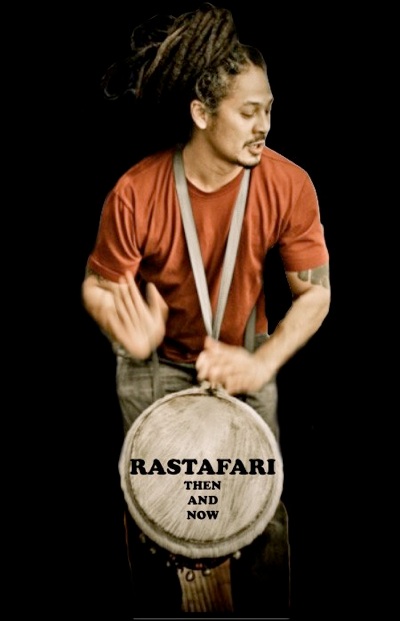
Nation Cheong: Born in Guyana, the artist formerly known as Troy Cheong re-invents himself in Canada with the soubriquet "Nation", and goes out looking through the third eye of his lens. Community worker by profession, musician by vocation and artist by compulsion, Nation is interested in everybody and everything - curious to know, seeking to "overstand", eager to share.
At Winston Churchill Collegiate in Scarborough, Ontario, Nation learned to load and process black and white film and to make prints of his photos after being introduced to the mysteries of the dark room by John Arnold who also loaned him his first 35mm Olympus camera. He developed friendships with other budding photographers and began practicing black and white portraits of his friends and family.
Since then he has valued the camera as a tool to record the stories etched in people's faces, to document the moments that tell community stories, to freeze-frame the moments of abandon that free the body to stretch and fly. He looks for irony, contrast and contradiction that challenge our perceptions of what is true.
Photography is the medium for external manifestation, painting is the means of internal dialog and dancing with mood and feeling. The heartbeat of the drum metronomes the trigger finger to press the shutter at the correct hairs breath moment. That definitive moment that tells the story.
Thousands of words, distilled into images, enrich the archives, telling tales of community and culture, spirit and transcendence.
By Brent HagermanFilmed in Toronto and Jamaica, this DVD is part history lesson and part personal journey, as Toronto youth worker and Nyabinghi drummer Nation Cheong seeks a deeper knowledge of Rastafari, putting his faith into action as he introduces a new generation to the tenets of the faith. Interviews with elders from the 12 Tribes, Bobo Ashanti and Nyabinghi traditions are presented alongside insight from noted scholar Barry Chevannes, Ethiopian Orthodox clergy and footage from Binghi ceremonies, both in Spanish Town, Jamaica and Toronto. But it is the personal touch given by Cheong's community work in Toronto that sets this doc apart from other expositions of Rastafari. This also is where the film remains largely unrealized. Promising to show how Rasta ideologies of peace and love (themselves subjective and problematic concepts that are taken at face value and never contextualized within the movement) can help change a culture of youth violence, the film fails to show how this can be achieved. Still, Rastafari is a solid and informative, if largely uncritical, primer in the beliefs and rituals of a religion whose public representation is often mired in stereotypes.
We process personal data about users of our site, through the use of cookies and other technologies, to deliver our services, personalize advertising, and to analyze site activity. We may share certain information about our users with our advertising and analytics partners. For additional details, refer to our Privacy Policy.
By clicking "I AGREE" below, you agree to our Privacy Policy and our personal data processing and cookie practices as described therein. You also acknowledge that this forum may be hosted outside your country and you consent to the collection, storage, and processing of your data in the country where this forum is hosted.


 Tweet
Tweet
 about him but let me keep listening.





Comment