

 Tweet
Tweet
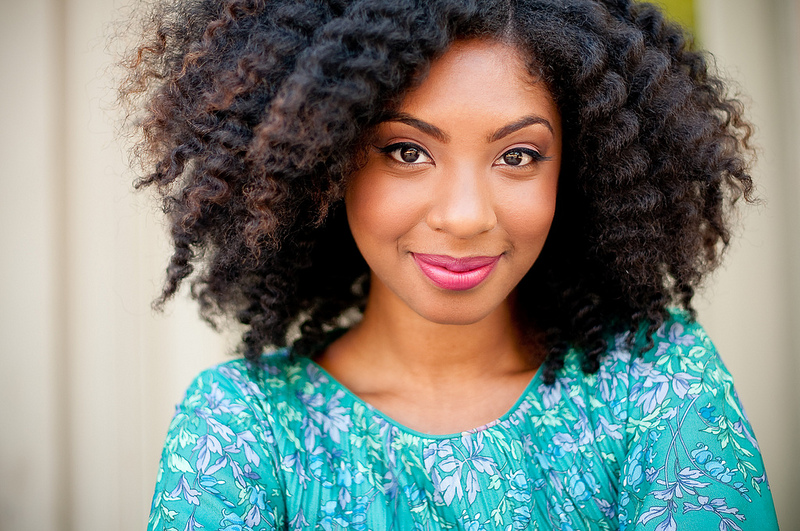
It has been reported that the Principal of one of Barbados’ elite secondary schools has banned black girls with hard hair/nappy hair/kinky hair/natural hair from wearing their hair loose i.e. from wearing their hair in the way that it grows out of their heads.
The principal has since indicated that while she recognises the beauty of natural hair, all students must be “neat and tidy” when in school uniform.
Some supporters of the ban have claimed that the “twist out” hairstyle is womanish, distracting, inappropriate for school and that it is just one specific style that is banned and not natural hair itself, (but it’s a policy directed exclusively at black natural hair!) Notions of neatness and tidiness are not at all neutral. When it comes to hair, they are often extremely exclusionary with black women and girls expected to engage in massive amounts of grooming just to appear presentable. Not even babies and toddlers are exempt from these standards.
Times change. Some of the natural hairstyles that may now be grudgingly considered appropriate in a professional setting represent a hard-won acceptance. Women have been fired for wearing braids in Barbados. Rastafari have been persecuted across the region with multiple attempts to exclude rastafari boys and girls from school because of their hair. The same way we learnt to accept the “Revlon locs” and the twisted updos, we’ll have to get used to twist outs, wash-and-go, and loose natural hairstyles.
Supporters of the school policy have also claimed that a principal’s powers are absolute. They see the principal as the sole decision-maker and source of authority and argue that students should follow the rules without question. They see this as necessary preparation and discipline needed for the world of work. They see public disagreement with the hair policy as an attempt to discredit the principal because she is a woman leading an elite former boys’ school. They have argued that natural hair can be smelly and unkempt using terms like “bag fuzz”, “rats’ nest” and “matted” to describe loose natural hair. They have argued that natural hair requires special rules.
Long, slurpy stupse.
Elite secondary schools in the region share a history of colonialism, racism, sexism, classism and anti-blackness.
Sometimes teachers think that they are doing students a favour when they socialize them into white supremacy, self-hate and respectability. They believe they are preparing them for the world of work. Preparing them for survival in a globalised world that is anti-black. Making somebody out of them despite their blackness or working class roots or countrified accent. These teachers are in need of consciousness-raising. They need to learn better so that they can do better.
When I was at secondary school I distinctly remember our principal asking all the girls with natural hair to stay behind after assembly for a talk on tidiness and appropriate hairstyles. This is gendered and racialised policing of black girls’ bodies that is usually classist as well. It also communicates just who legitimately is supposed to occupy these elite spaces.
Young-gifted-and-black women wearing their hair as it grows out of their heads exist in all kinds of leadership roles where their intelligence and expertise is acknowledged and rewarded. So aside from how arbitrary, racist, sexist and anti-black these rules are, aside from how emotionally and spiritually damaging this policing of black girls’ bodies is, there is really NO case to be made for socializing black girls into anti-blackness. Black women and girls can and do bring our full selves, our flyness and our talents to all the spaces that we occupy, create and help to shape. Our blackness, our bodies, our sexualities do not need to be mitigated, tamed or policed. We do not need to be infantilized or socialized into white supremacy or black middle-class respectability just because a powerful few have not yet realized that it’s 2015.
It’s 2015. And it’s majority-black Barbados. If black girls can’t wear their hair as it grows out of their heads at this very moment and in this very space, then when and where?
The principal has since indicated that while she recognises the beauty of natural hair, all students must be “neat and tidy” when in school uniform.
Some supporters of the ban have claimed that the “twist out” hairstyle is womanish, distracting, inappropriate for school and that it is just one specific style that is banned and not natural hair itself, (but it’s a policy directed exclusively at black natural hair!) Notions of neatness and tidiness are not at all neutral. When it comes to hair, they are often extremely exclusionary with black women and girls expected to engage in massive amounts of grooming just to appear presentable. Not even babies and toddlers are exempt from these standards.
Times change. Some of the natural hairstyles that may now be grudgingly considered appropriate in a professional setting represent a hard-won acceptance. Women have been fired for wearing braids in Barbados. Rastafari have been persecuted across the region with multiple attempts to exclude rastafari boys and girls from school because of their hair. The same way we learnt to accept the “Revlon locs” and the twisted updos, we’ll have to get used to twist outs, wash-and-go, and loose natural hairstyles.
Supporters of the school policy have also claimed that a principal’s powers are absolute. They see the principal as the sole decision-maker and source of authority and argue that students should follow the rules without question. They see this as necessary preparation and discipline needed for the world of work. They see public disagreement with the hair policy as an attempt to discredit the principal because she is a woman leading an elite former boys’ school. They have argued that natural hair can be smelly and unkempt using terms like “bag fuzz”, “rats’ nest” and “matted” to describe loose natural hair. They have argued that natural hair requires special rules.
Long, slurpy stupse.
Elite secondary schools in the region share a history of colonialism, racism, sexism, classism and anti-blackness.
Sometimes teachers think that they are doing students a favour when they socialize them into white supremacy, self-hate and respectability. They believe they are preparing them for the world of work. Preparing them for survival in a globalised world that is anti-black. Making somebody out of them despite their blackness or working class roots or countrified accent. These teachers are in need of consciousness-raising. They need to learn better so that they can do better.
When I was at secondary school I distinctly remember our principal asking all the girls with natural hair to stay behind after assembly for a talk on tidiness and appropriate hairstyles. This is gendered and racialised policing of black girls’ bodies that is usually classist as well. It also communicates just who legitimately is supposed to occupy these elite spaces.
Young-gifted-and-black women wearing their hair as it grows out of their heads exist in all kinds of leadership roles where their intelligence and expertise is acknowledged and rewarded. So aside from how arbitrary, racist, sexist and anti-black these rules are, aside from how emotionally and spiritually damaging this policing of black girls’ bodies is, there is really NO case to be made for socializing black girls into anti-blackness. Black women and girls can and do bring our full selves, our flyness and our talents to all the spaces that we occupy, create and help to shape. Our blackness, our bodies, our sexualities do not need to be mitigated, tamed or policed. We do not need to be infantilized or socialized into white supremacy or black middle-class respectability just because a powerful few have not yet realized that it’s 2015.
It’s 2015. And it’s majority-black Barbados. If black girls can’t wear their hair as it grows out of their heads at this very moment and in this very space, then when and where?
http://redforgender.wordpress.com/20...rbados-school/





Comment