

 Tweet
Tweet
We have been told that African slaves were all forced to change their surnames but it seems that some surnames have survived. Does anyone have information or sources about this?
We already know this example from the US:
Example - this relates to Barbados:

We already know this example from the US:
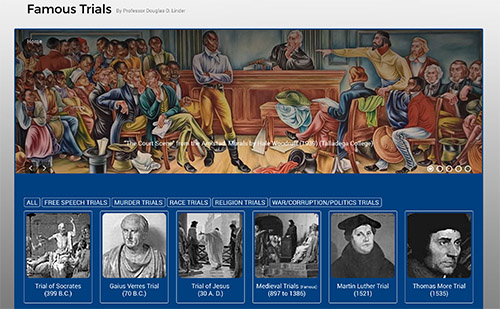
Cinque was born the son of a Mendi village leader in the village of Mani in West Africa. He was trained to assume his father's leadership role from childhood, learning the Mendi way of life and laws of the Mendi people. But Cinque was never to lead his people.Cinque's fate took a different path when he was taken captive by African tribesmen of the Ley people, due to impatience of a creditor for payment of a debt owed by Cinque. Cinque was taken to a "slave factory" in Gallinas where he was sold to a Spanish slave trader. He was subsequently resold and placed on the Tecora, a slave trade ship.
The Tecora sailed to Havana, Cuba, where Cinque was briefly held. He was subsequently sold to Pedro Ruiz, along with 49 other men and four children. The 53 Africans were placed aboard the Spanish coasting vessel La Amistad (The Friendship) to be taken to Porta Prince.
The Amistad sailed on June 27, 1839 with a crew consisting of the Captain, two Spanish crewmen, a Creole slave, and a mulatto slave (cook). The two new "owners" of the slaves, Montes and Ruiz, were also aboard. The journey was expected to take two and one half to three days, however, storms slowed the progress of the Amistad and, recognizing the journey would be longer than anticipated, the Captain had provision rationing begin on the third day. The crewmen also became abusive to slaves who asked for more food and began flogging several of them. On the fourth day the cook told the some of the Africans that they would be killed and eaten on arrival at Porta Prince. Cinque and the others already feared such an act and, on receiving this information, Cinque resolved to take the ship, if an opportunity arose.
Cinque spoke with several of his comrades and, although all were not of the same tribal heritage and could not completely understand one another, the entire group of men agreed the ship must be taken. Cinque located a loose nail in the decking of the Amistad when he was taken on deck to eat. He concealed this nail and later used it to unlocked the shackles which bound him below deck. He freed the others from their chains and they proceeded to the cargo hold where they found sugarcane knives in crates. The Africans armed themselves and under Cinque's leadership moved against the Captain and cook, who slept on deck. The Captain awoke and briefly fought the Africans before being killed by Cinque. The cook was also killed. The two Spanish crewmen fled the ship aboard a skiff.
Cinque took command and managed to convey to Montes that he wished the ship steered east to Africa. Montes steered east during the day and northwest, toward the United States, at night. Cinque maintained command of the vessel, sometimes through use of force, until it and all survivors were taken captive by the crew of the U.S. Washington on August 26, 1839. Cinque had been ashore foraging with others when the Washington approached and was taken captive as he returned to the Amistad.
Cinque was identified as the leader by Ruiz and Montes. He was subsequently taken aboard the Washington, as he attempted to arouse the Africans to rebel against these new captors while on board the Amistad. An arraignment was held before then Circuit Judge Judson and the Africans were ordered held for trial without bond based on the testimony of Ruiz that they were slaves who, during mutiny, had murdered the captain and cook.
The Africans were taken to New Haven where they were held in jail with Cinque being separated from them to prevent him from stirring them to rebel. Cinque continued to be recognized as the group's leader throughout the court proceedings associated with the Amistad Africans. He learned a great deal of English while in the U.S. as well as learning about Christianity.
Cinque returned to Africa with missionaries and the remaining Amistad survivors. After his return he discovered that his family could not be found and his entire village had been destroyed. It is suspected that his family was taken and sold into slavery. He became frustrated with the missionaries and eventually left the mission. He later returned, shortly before his death in 1879, instructing the missionaries to provide him with a Christian burial.
The Tecora sailed to Havana, Cuba, where Cinque was briefly held. He was subsequently sold to Pedro Ruiz, along with 49 other men and four children. The 53 Africans were placed aboard the Spanish coasting vessel La Amistad (The Friendship) to be taken to Porta Prince.
The Amistad sailed on June 27, 1839 with a crew consisting of the Captain, two Spanish crewmen, a Creole slave, and a mulatto slave (cook). The two new "owners" of the slaves, Montes and Ruiz, were also aboard. The journey was expected to take two and one half to three days, however, storms slowed the progress of the Amistad and, recognizing the journey would be longer than anticipated, the Captain had provision rationing begin on the third day. The crewmen also became abusive to slaves who asked for more food and began flogging several of them. On the fourth day the cook told the some of the Africans that they would be killed and eaten on arrival at Porta Prince. Cinque and the others already feared such an act and, on receiving this information, Cinque resolved to take the ship, if an opportunity arose.
Cinque spoke with several of his comrades and, although all were not of the same tribal heritage and could not completely understand one another, the entire group of men agreed the ship must be taken. Cinque located a loose nail in the decking of the Amistad when he was taken on deck to eat. He concealed this nail and later used it to unlocked the shackles which bound him below deck. He freed the others from their chains and they proceeded to the cargo hold where they found sugarcane knives in crates. The Africans armed themselves and under Cinque's leadership moved against the Captain and cook, who slept on deck. The Captain awoke and briefly fought the Africans before being killed by Cinque. The cook was also killed. The two Spanish crewmen fled the ship aboard a skiff.
Cinque took command and managed to convey to Montes that he wished the ship steered east to Africa. Montes steered east during the day and northwest, toward the United States, at night. Cinque maintained command of the vessel, sometimes through use of force, until it and all survivors were taken captive by the crew of the U.S. Washington on August 26, 1839. Cinque had been ashore foraging with others when the Washington approached and was taken captive as he returned to the Amistad.
Cinque was identified as the leader by Ruiz and Montes. He was subsequently taken aboard the Washington, as he attempted to arouse the Africans to rebel against these new captors while on board the Amistad. An arraignment was held before then Circuit Judge Judson and the Africans were ordered held for trial without bond based on the testimony of Ruiz that they were slaves who, during mutiny, had murdered the captain and cook.
The Africans were taken to New Haven where they were held in jail with Cinque being separated from them to prevent him from stirring them to rebel. Cinque continued to be recognized as the group's leader throughout the court proceedings associated with the Amistad Africans. He learned a great deal of English while in the U.S. as well as learning about Christianity.
Cinque returned to Africa with missionaries and the remaining Amistad survivors. After his return he discovered that his family could not be found and his entire village had been destroyed. It is suspected that his family was taken and sold into slavery. He became frustrated with the missionaries and eventually left the mission. He later returned, shortly before his death in 1879, instructing the missionaries to provide him with a Christian burial.
Example - this relates to Barbados:
As the European powers increased exploration, the expansion of sea trade routes and colonization, piracy in the Caribbean came to be known as the Golden Age of Piracy.
Half the pirates had ties to the British Isles, while a quarter came from colonies in the West Indies and North America.
Another group of men also entered into this number, but they tended to receive only cursory mention in history books.
These were the Black Pirates.
Pirates, as many people know, sailed under a black flag. What the general public doesn't know, however, is that many
pirates were as Black as the flags they flew.
The Golden Age of piracy was also the heyday of the Atlantic
slave trade. The relationship between piracy and the slave trade
is complex and ambiguous. Some pirates participated in the
slave trade and shared their contemporaries' attitude to Africans
as commodities for exchange.
However, many judged the Africans more on the basis of their
language and sailing skills – their level of cultural attainment –
rather than their race.
Piracy represented a way out, and a way to challenge the very
system that made slavery possible. Most of these black pirates
would have been runaway slaves, either joining with the pirates
on the course of the voyage from Africa, deserting from the
plantation, or sent as slaves to work on board ship.
Seafaring in general offered more autonomy to blacks than life on
the plantation, but piracy in particular, could. Although it was risky, it offered one of the few chances at freedom for an
African in the 18th century.
Black pirates would often lead the boarding party to capture a prize. The Morning Star had "a Negro Cook doubly armed" in
the boarding party, and more than half of Edward Condent's boarding party on the Dragon were black. Some black pirates
even became quartermasters or captains.
In the 17th century, blacks found on pirate ships were not tried in the courts with the other pirates because it was assumed
they were slaves, but by the 18th century they were being executed alongside their white 'brethren'. Still the most likely fate
for a black pirate, if he was captured, was to be sold into slavery.
Blacks were an important part of most pirate crews, and statistical evidence suggests
that 25 to 30 percent of an estimated 5,000-plus pirate’s active during the years 1716
to 1726 were of African descent.
Tough enough and smart enough to escape bondage, a runaway slave could be
counted on to fight to keep his freedom. Indeed, at least two crews were entirely black,
with the exception of a single white man apiece.
Piratical racial tolerance did not proceed from a vision of the fundamental brotherhood of man but rather from a spirit of
revolt against political, economic and social oppression.
Mutual feelings of marginality meant that the primary allegiance of pirates was given to their brethren. It is hardly surprising
that so many blacks--confronted with far worse prospects by existing within the European or American social order--chose
piracy.
Half the pirates had ties to the British Isles, while a quarter came from colonies in the West Indies and North America.
Another group of men also entered into this number, but they tended to receive only cursory mention in history books.
These were the Black Pirates.
Pirates, as many people know, sailed under a black flag. What the general public doesn't know, however, is that many
pirates were as Black as the flags they flew.
The Golden Age of piracy was also the heyday of the Atlantic
slave trade. The relationship between piracy and the slave trade
is complex and ambiguous. Some pirates participated in the
slave trade and shared their contemporaries' attitude to Africans
as commodities for exchange.
However, many judged the Africans more on the basis of their
language and sailing skills – their level of cultural attainment –
rather than their race.
Piracy represented a way out, and a way to challenge the very
system that made slavery possible. Most of these black pirates
would have been runaway slaves, either joining with the pirates
on the course of the voyage from Africa, deserting from the
plantation, or sent as slaves to work on board ship.
Seafaring in general offered more autonomy to blacks than life on
the plantation, but piracy in particular, could. Although it was risky, it offered one of the few chances at freedom for an
African in the 18th century.
Black pirates would often lead the boarding party to capture a prize. The Morning Star had "a Negro Cook doubly armed" in
the boarding party, and more than half of Edward Condent's boarding party on the Dragon were black. Some black pirates
even became quartermasters or captains.
In the 17th century, blacks found on pirate ships were not tried in the courts with the other pirates because it was assumed
they were slaves, but by the 18th century they were being executed alongside their white 'brethren'. Still the most likely fate
for a black pirate, if he was captured, was to be sold into slavery.
Blacks were an important part of most pirate crews, and statistical evidence suggests
that 25 to 30 percent of an estimated 5,000-plus pirate’s active during the years 1716
to 1726 were of African descent.
Tough enough and smart enough to escape bondage, a runaway slave could be
counted on to fight to keep his freedom. Indeed, at least two crews were entirely black,
with the exception of a single white man apiece.
Piratical racial tolerance did not proceed from a vision of the fundamental brotherhood of man but rather from a spirit of
revolt against political, economic and social oppression.
Mutual feelings of marginality meant that the primary allegiance of pirates was given to their brethren. It is hardly surprising
that so many blacks--confronted with far worse prospects by existing within the European or American social order--chose
piracy.


Comment