

 Tweet
Tweet
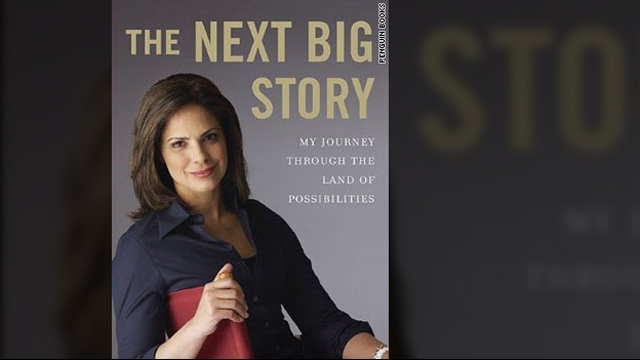
<span style="font-style: italic">Below is an excerpt from Soledad O'Brien's memoir "The Next Big Story," published November 2 by Penguin Books. The story begins in 2006, just after she has obtained exclusive access to Martin Luther King Jr.'s papers and has reported on them for CNN's American Morning.
On this American Morning, I have an exclusive look at a man at least half the world admires. I feel like what he is saying speaks to me. I am energized, a new member of the quarter million people who joined him on the mall, and a new recipient of the grace he handed out in Selma.
Then, out of nowhere, The Reverend Jesse Jackson calls with an invitation to meet and talk and it brings my reverie to a halt. We greet warmly and sit. A young, clean-cut security guy hovers near by. He stays close enough to be summoned for a quick question but not close enough to overhear. I notice the china is clinking, like real good china. I have four small kids so I never hear that particular sound. The restaurant is on the first floor of a famous hotel and the place is nice. The Reverend Jackson begins talking in his strong Southern accent. His voice is very low. He says "call me Jesse," but that's something I feel like I cannot do. I am confident he doesn't remember the first time we met. It was my job in 1989 to escort him through his live shots at WBZ TV around Boston Nelson Mandela's historic visit to the U.S. I was his "babysitter," the one making sure no other media plucked him away. He was our contributor. He whispers something. He is speaking so low I can barely hear him. I strain to get closer.
Even though I am not sure what he is saying, I can tell he is angry. Today he is angry because CNN doesn't have enough black anchors. It is political season. There are billboards up sporting Paula Zahn and Anderson Cooper. He asks after the black reporters. Why are they not up there? I share his concern and make a mental note to take it back to my bosses. But then he begins to rage that there are no black anchors on the network at all. Does he mean covering the campaign, I wonder to myself? The man has been a guest on my show. He knows me, even if he doesn't recall how we met. I brought him on at MSNBC, then again at Weekend Today. I interrupt to remind him I'm the anchor of American Morning. He knows that. He looks me in the eye and reaches his fingers over to tap a spot of skin on my right had. He shakes his head. "You don't count," he says. I wasn't sure what that meant. I don't count -- what? I'm not black? I'm not black enough? Or my show doesn't count?
</span>
continued here


 what a ting a bet him figet seh him did tell her dat


 I could tell straight away but then again I had those kinda looking people around me when I was growing up.


 maybe is her married name that all the same


Comment