

 Tweet
Tweet
Re: money
CARIBBEAN EATING
We tend to think that foreign foods should be better, but surprisingly our local foods are much better, these are the actual facts:
For healthier eating choices, we are encouraged to eat foods with less fat and sodium, and more fiber, more complex carbohydrates and lower in calories. The foods that are most promoted are usually the imported ones since more is known about them than about our local foods.
We will therefore seek out whole grain cereals and breads, fruits such as the American apple, plum and grapes and vegetables such as broccoli and cauliflower. But how does our local foods compare? Get ready to be pleasantly surprised!
American Apple - Who has not heard the adage, 'an apple a day keeps the doctor away'? - This is probably because the American apple has fiber to facilitate gut health and rid the body of waste. But do you know that one guava fruit has four (4) times the amount of fiber, slightly more potassium and nineteen (19) times the amount of vitamin C as an American apple? And in comparison to a whole bunch of grapes, one (1) guava has twenty
five (25) times more vitamin C, four (4) times more fiber and about the same potassium. Likewise, it would take fifteen (15) American apples to supply the vitamin C content of only one (1) West Indian cherry.
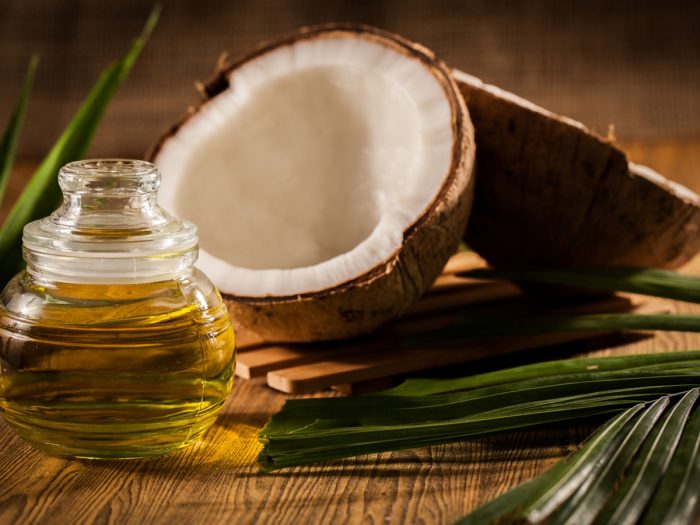
Cranberry juice - Has become very popular because of its benefits to bladder health. But coconut water is less than half the calories and with more potassium? A glass of cranberry juice will provide about 150 - 200 calories while the same glass of coconut water contains only 50 calories while giving 400mg potassium compared to the 60mg for cranberry juice. The sodium content of coconut water will provide only 60mg sodium compared
to the 700 mg in one V8 canned vegetable juice. Coconut water has no fat content. The fat of the coconut resides in the jelly and only be found in
coconut milk. There is no cholesterol since the coconut is of plant origin and cholesterol is found only in foods of animal origin. This means that butter will have cholesterol but coconut milk, like the vegetable margarines is free of cholesterol. Also, the fat in coconut is healthier for the body than margarine fats.
Ackee/Pear - Two other sources of fat that are often mislabelled are the Jamaican ackee and the Avocado pear. Neither has any cholesterol and the fat is monounsaturated - the same type of fat that we pay so much for in the olive oil.
Broccoli/cauliflower/Brussel sprouts - like all other vegetables will provide vitamin C, minerals, flavonoids and other phytochemical but they are no match for our local callaloo (amaranth) in terms of calcium, iron or vitamin A. Callaloo has more than four times the calcium, two or more times the iron with more than twice the vitamin A as the American vegetables. The whole grain cereals are indeed a good source of fiber but calorie for calorie our provisions are equally beneficial.
Breadfruit - Irish potatos, brown rice and whole kernel corn provides the least fiber per serving. The better value would be the oats, whole wheat bread, green banana and sweet potato. Topping the list in this category though is our local breadfruit at 2.45 for a serving of two(2) slices.
So next time you reach for the foreign goods on the shelf, don't forget our local products are better, even best.
CARIBBEAN EATING
We tend to think that foreign foods should be better, but surprisingly our local foods are much better, these are the actual facts:
For healthier eating choices, we are encouraged to eat foods with less fat and sodium, and more fiber, more complex carbohydrates and lower in calories. The foods that are most promoted are usually the imported ones since more is known about them than about our local foods.
We will therefore seek out whole grain cereals and breads, fruits such as the American apple, plum and grapes and vegetables such as broccoli and cauliflower. But how does our local foods compare? Get ready to be pleasantly surprised!
American Apple - Who has not heard the adage, 'an apple a day keeps the doctor away'? - This is probably because the American apple has fiber to facilitate gut health and rid the body of waste. But do you know that one guava fruit has four (4) times the amount of fiber, slightly more potassium and nineteen (19) times the amount of vitamin C as an American apple? And in comparison to a whole bunch of grapes, one (1) guava has twenty
five (25) times more vitamin C, four (4) times more fiber and about the same potassium. Likewise, it would take fifteen (15) American apples to supply the vitamin C content of only one (1) West Indian cherry.
Cranberry juice - Has become very popular because of its benefits to bladder health. But coconut water is less than half the calories and with more potassium? A glass of cranberry juice will provide about 150 - 200 calories while the same glass of coconut water contains only 50 calories while giving 400mg potassium compared to the 60mg for cranberry juice. The sodium content of coconut water will provide only 60mg sodium compared
to the 700 mg in one V8 canned vegetable juice. Coconut water has no fat content. The fat of the coconut resides in the jelly and only be found in
coconut milk. There is no cholesterol since the coconut is of plant origin and cholesterol is found only in foods of animal origin. This means that butter will have cholesterol but coconut milk, like the vegetable margarines is free of cholesterol. Also, the fat in coconut is healthier for the body than margarine fats.
Ackee/Pear - Two other sources of fat that are often mislabelled are the Jamaican ackee and the Avocado pear. Neither has any cholesterol and the fat is monounsaturated - the same type of fat that we pay so much for in the olive oil.
Broccoli/cauliflower/Brussel sprouts - like all other vegetables will provide vitamin C, minerals, flavonoids and other phytochemical but they are no match for our local callaloo (amaranth) in terms of calcium, iron or vitamin A. Callaloo has more than four times the calcium, two or more times the iron with more than twice the vitamin A as the American vegetables. The whole grain cereals are indeed a good source of fiber but calorie for calorie our provisions are equally beneficial.
Breadfruit - Irish potatos, brown rice and whole kernel corn provides the least fiber per serving. The better value would be the oats, whole wheat bread, green banana and sweet potato. Topping the list in this category though is our local breadfruit at 2.45 for a serving of two(2) slices.
So next time you reach for the foreign goods on the shelf, don't forget our local products are better, even best.



Comment